North Korea’s New Role in Drone Production
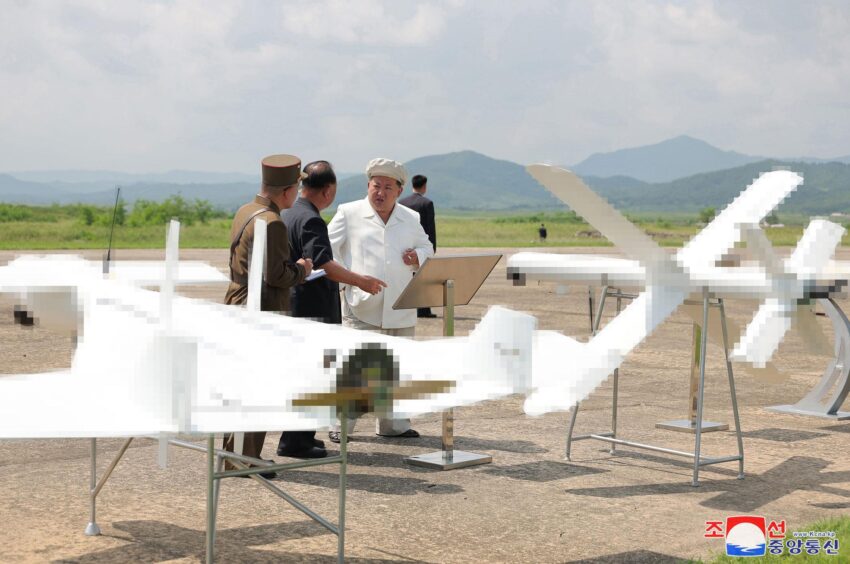
In a significant development, Russia has announced plans to aid North Korea in the local manufacturing of Iranian Shahed drones, which have been integral to Moscow’s military operations in Ukraine. This collaboration signals a deeper military bond between the two nations and could heighten security tensions throughout the Asia-Pacific region, particularly affecting the ongoing dynamics between North and South Korea. Kyrylo Budanov, the chief of Ukraine’s defense intelligence, emphasized that this assistance could exacerbate the already fragile security environment in the area.
Pyongyang is emerging as a vital ally for Russia amid its protracted conflict in Ukraine. In return for technological aid, North Korea is reportedly providing Moscow with soldiers and other resources. This partnership underscores a new phase in Russia’s military strategy, illustrating a shift towards strengthening its alliances and capabilities in the region.
Expansion of Drone Production Capabilities
Reports indicate that Russia is currently capable of producing up to 2,000 Shahed drones each month, with ambitions to increase that output to 5,000. Budanov disclosed that there are agreements in place to commence the establishment of production facilities for UAVs, specifically the Garpiya and Geran models—Russian adaptations of the Iranian Shahed-136 drones—on North Korean territory. This move highlights a crucial transfer of technology between Russian and North Korean specialists, marking a pivotal step in military collaboration.
The establishment of drone production in North Korea could have lasting implications for the balance of power in the Asia-Pacific. Such advancements not only enhance North Korea’s military capabilities but also represent a strategic shift for Russia, allowing it to further solidify its military presence and operational capacity in the region.
Threats posed by Shahed Drones
The Shahed drone family has become a pressing and potent threat to Ukrainian forces, significantly influencing the current conflict. Military experts suggest that the unpredictability and versatility of these unmanned aerial vehicles (UAVs) necessitate that Kyiv and its allies innovate and develop countermeasures to defend against this aerial menace. The Shahed drones come in various configurations, some of which are powered by jet engines, and they are currently an integral part of the Russian military arsenal.
The Shahed-136 model, utilized extensively in Russia’s campaign against Ukraine, can reach speeds up to 220 kilometers (137 miles) per hour and boasts a striking operational range of approximately 2,500 kilometers (1,553 miles). With a low radar signature, these drones are adept at targeting critical infrastructure and presenting a severe challenge to both military and civilian defenses. In May, Russia executed a large-scale drone assault involving around 270 Shahed units, occurring shortly after the collapse of ceasefire talks in Istanbul, indicative of the ongoing escalation in hostilities.
Regional Security Implications
The increased capabilities of North Korea to produce sophisticated drones in collaboration with Russia could pave the way for a more aggressive military posture in the Asia-Pacific region. This development raises alarms not only for South Korea but also for Japan and other nations that might see their security threatened by enhanced North Korean military technology. The potential for such drones to be deployed across borders introduces a new layer of complexity to regional security challenges.
As nations grapple with the implications of advanced drone warfare, the international community must closely monitor these developments. The strategic interests of several countries hinge on the stability of the Asia-Pacific region, making it imperative to address the root causes of these tensions to prevent further escalation. A robust diplomatic response may be necessary to mitigate the risks associated with drone proliferation and the direct involvement of major powers in regional conflicts.