Gulf States in Sudan’s Conflict: A Complex Power Play
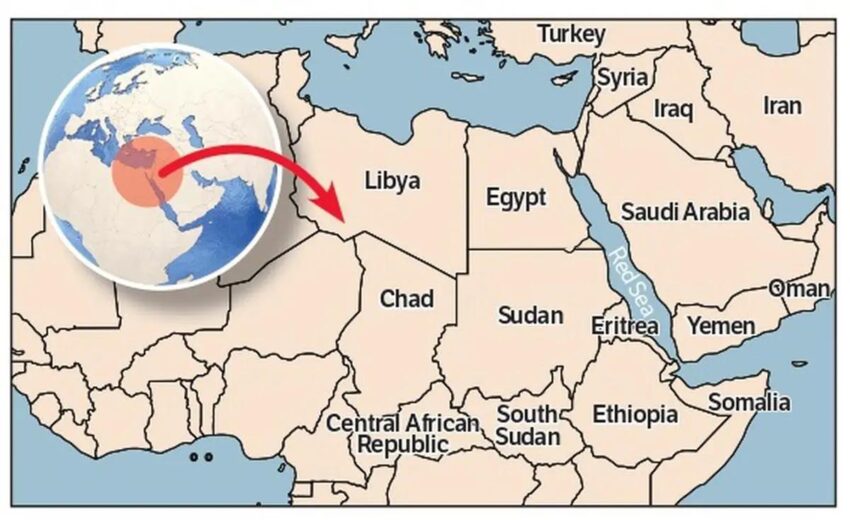
The ongoing conflict in Sudan, now entering its third year, has wrought heavy devastation and poses a significant threat to stability in a region that serves as a crucial link between Africa and the Arab world. Despite its strategic importance being largely overlooked in both popular and geopolitical dialogues—often labeled a ‘forgotten conflict’—Sudan’s plight deserves the focused attention of policymakers addressing broader regional issues in the Red Sea, Sahel, and Horn of Africa. The country’s wealth of natural resources, fertile lands, and pivotal geographic position elevate its conflict into a deeply geopolitical matter, attracting direct involvement from major world powers like Russia and the United States, as well as neighboring countries such as Chad, Ethiopia, and Libya. However, it is the Arab Gulf nations, particularly Qatar, Saudi Arabia, and especially the United Arab Emirates (UAE), that stand in the best position to shape the conflict’s trajectory.
For these wealthy and resource-rich monarchies, which import over 80% of their food, access to Sudan’s agriculture, livestock, and minerals is not merely an economic advantage but a matter of survival. Additionally, a successful civilian governance model emerging in Sudan could inspire pro-democracy movements across Africa and the Arab world—an outcome that these Gulf states perceive as a direct threat to their autocratic rule. Consequently, their involvement in the Sudanese conflict has been marked by a tendency to covertly support rival factions, driven by national security imperatives and competitive strategic goals.
Diverging Interests of Gulf States
With vast financial resources at their disposal and deep connections to various factions in Sudan, Gulf states have significantly affected the changing dynamics of violence within the country. Their capability to maneuver between cooperation and rivalry complicates the situation, often leaving Western policymakers perplexed. Although the Gulf Cooperation Council (GCC) suggests a facade of unity, its member states—Qatar, Saudi Arabia, and the UAE—frequently pursue unilateral strategies that reflect their individual interests rather than collective goals.
This fragmented approach was particularly evident following the outbreak of hostilities in April 2023, which saw the Sudanese Armed Forces (SAF), alongside the National Congress Party and Islamist groups, clashing with the paramilitary Rapid Support Forces (RSF). The RSF made early territorial gains, including capturing the capital, Khartoum, which exposed the weaknesses of the SAF. However, after suffering initial setbacks, the SAF has since regained ground utilizing new military support from both Russian and Iranian sources, coupled with a fueled recruitment drive rooted in public outrage against RSF atrocities.
Responses of Gulf Players During Wartime
Each Gulf state has responded to the war in Sudan in ways that align with its national interests and geopolitical aspirations. Qatar has positioned itself as a humanitarian leader, navigating its relationships carefully to avoid escalating tensions with its Gulf neighbors while still supporting Islamist factions. This balancing act reflects its broader strategy of maintaining regional influence without overtly antagonizing other states.
In contrast, Saudi Arabia has focused on stabilizing the region amidst its Vision 2030 framework, cautiously engaging in peace negotiations while attempting to check the influence of both the UAE and Iran. The UAE, however, has emerged as the most significant external actor in Sudan, reportedly providing substantial military aid to the RSF, driven by its broader geopolitical ambitions while simultaneously seeking agricultural investments in Sudan.
Towards a Sustainable Peace in Sudan
Looking ahead, fostering long-term stability in Sudan demands a multifaceted approach involving diplomatic negotiations, financial strategies, and civic engagement initiatives. European policymakers, in particular, need to gain a nuanced understanding of the interests at play among Gulf states and strive towards creating a shared vision that facilitates a peaceful resolution to the ongoing conflict.
Recognizing the complex geopolitical landscape and the historical contexts influencing these dynamics will be vital in ensuring productive engagement with Gulf nations. Only by effectively navigating the intricate interests of these states can stakeholders hope to encourage a sustainable peace process that restores stability and fosters democratic governance in Sudan.