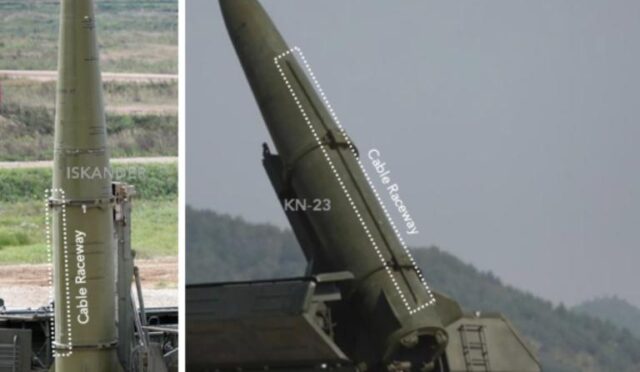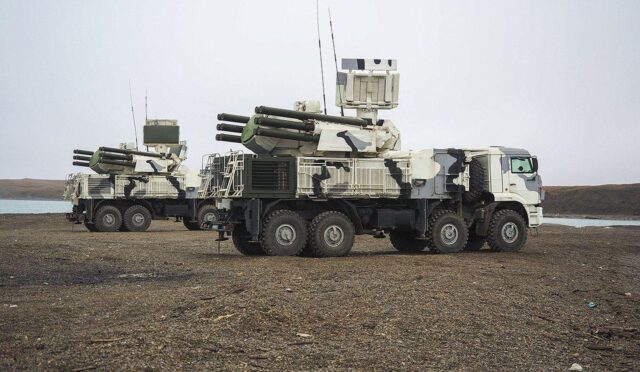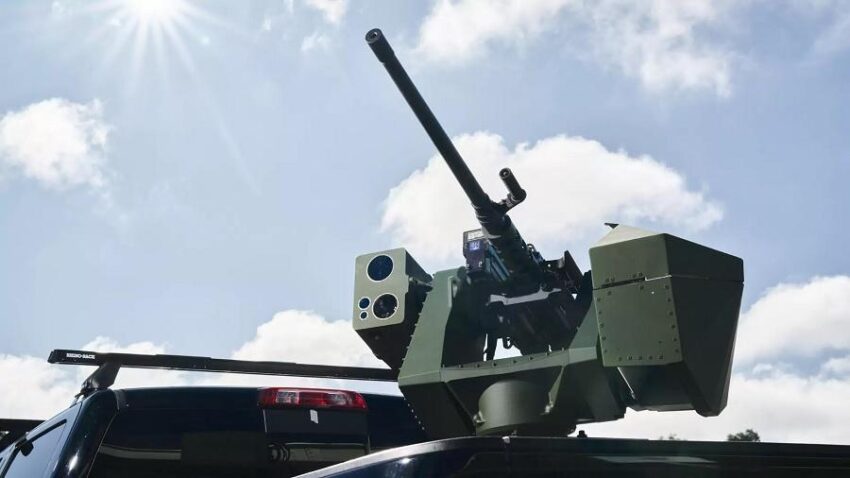
The Transition of Warfare in the Modern Era
The aftermath of the World Wars has significantly impacted the evolution of warfare, ushering in a fundamental shift from traditional strategies to modern hybrid warfare. The emergence of advanced defense technologies has not only redefined military tactics but has also become a pivotal factor in international diplomacy and future global stability.
Although conventional warfare strategies still hold a foundational role, they are now supplemented by a wide array of modern equipment and technologies. This evolution necessitates a reevaluation of strategic analyses, risk assessments, and operational frameworks, reflecting the complexities of contemporary battlefields.
The Need for a Dynamic Defense Ecosystem
The effectiveness of combat against asymmetric threats hinges on establishing a robust defense industry ecosystem. This ecosystem thrives on collaboration among researchers, designers, manufacturers, and military consumers, fostering innovation and agility in defense strategies.
As this interconnected system evolves, it enables nations to adapt to new forms of conflict and leverage lessons learned from recent military engagements. The transformation of battle doctrine is essential for navigating the complexities of modern warfare.
Insights from the Azerbaijan-Karabakh Conflict
Recent military conflicts, such as the Azerbaijan-Karabakh war, have provided invaluable experiences that shape modern defense strategies. This conflict showcased lessons learned from counter-terrorism efforts and the integration of advanced warfare technologies into military operations.
These developments highlight how nations can effectively respond to infiltration attempts and adapt to diverse combat scenarios. The ongoing evolution in defense capabilities underscores the importance of continually refining tactics to maintain strategic advantages.
Emerging Challenges and Opportunities
As the Middle East becomes a playground for testing modern military technologies, it plays a crucial role in the global defense landscape. This region, often associated with chaos and instability, presents unique opportunities for innovation in warfare strategies.
However, these advancements come with challenges, particularly as rival states vie for influence and power. The interplay of various defense technologies in this region accelerates the evolution of combat methods, prompting an urgent need for adaptation among military forces.
The Evolving Nature of Aerial Combat
The battlefield dynamics of aerial combat are undergoing a transformation, driven by the integration of sophisticated reconnaissance and precision strike capabilities. Operations now emphasize stealth and technological innovation, allowing for strategic advantages over adversaries.
Modern warfare now involves executing engagements beyond visual range and utilizing hybrid assault systems to effectively counter enemy advances. The convergence of advanced radars, missile systems, and intelligence capabilities redefines aerial engagement protocols.
The Influence of Recent Conflicts
In the wake of various regional conflicts, it is evident that the nature of warfare is shifting rapidly. For instance, the recent 12-Day War has illuminated new aspects of military strategy, particularly in the context of U.S. military support for Israel.
Critical analysis of these engagements reveals an impressive reliance on precision strikes and advanced missile technology, emphasizing the growing complexity of military confrontations in the region.
Israel and Iran: An Ongoing Confrontation
Israel’s capability to leverage precision destruction technologies has noticeably impacted its military operations, particularly against Iran’s defense infrastructure. The rapid advancements in Israel’s military assets underscore its commitment to maintaining regional superiority.
Conversely, Iran’s investment in hypersonic missile technology demonstrates its strategic intent to challenge opposing forces effectively. The evolving dynamics between these two nations highlight the necessity for ongoing advancements in defense strategies and countermeasures.
Turkey’s Strategic Positioning
Turkey’s burgeoning defense sector has become increasingly prominent, proving critical during regional conflicts. The lessons learned from engagements such as the Azerbaijan–Armenia clashes have positioned Turkey uniquely in the defense landscape.
As ballistic missile threats intensify, Turkey’s emphasis on modern warfare technologies becomes essential, integrating advanced strategies and capabilities developed over the past two decades.
The National Technology Initiative and Defense Innovation
Under the National Technology Initiative, Turkey has made significant strides in enhancing its defense capabilities, focusing on precision strike capabilities and high-resolution reconnaissance systems. These advancements are crucial in adapting to the evolving landscape of asymmetric warfare.
Furthermore, the country’s commitment to advancing radar technologies and missile defense systems indicates a proactive approach to ensuring national security and technological self-reliance.
The Importance of Integrated Defense Systems
In light of emerging threats, upgrading layered air defense systems is paramount for effective operational capability against hypersonic and ballistic missile threats. A cohesive approach to modernize defense assets is crucial for maintaining a strategic edge.
This integrated structure not only enhances readiness but also fosters resilience against diverse threats, ensuring that nations can adapt effectively to the challenges of contemporary warfare.