Intensified Military Operations in Gaza
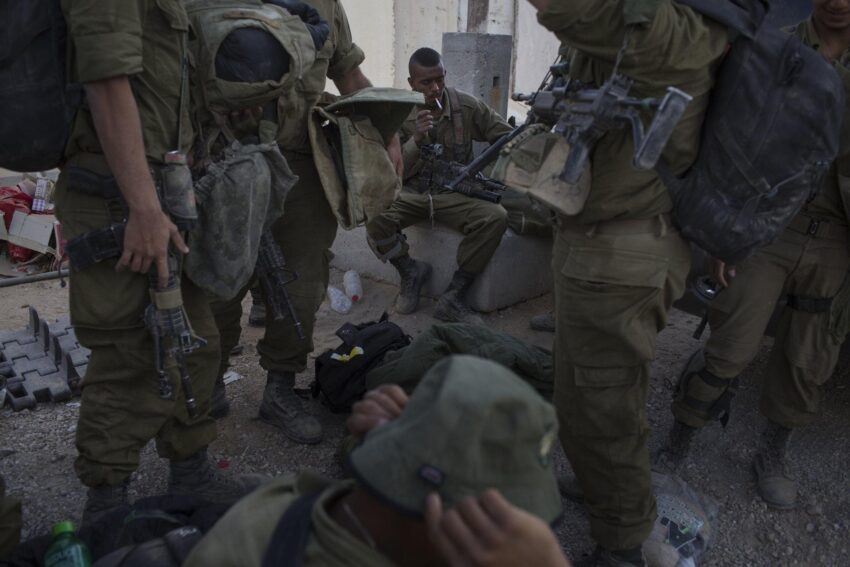
Israel’s military escalated its ground operations throughout the Gaza Strip on Sunday, urging residents to evacuate as part of an ongoing offensive in Rafah city. This action marks nearly a week since the renewed assault began on the Hamas-controlled territory. The urgency of the evacuation warning is heightened by recent military flare-ups in Lebanon and missile launches from Yemen, alongside a shift in Israeli troop deployments within different areas of Gaza. Military spokesman Avichay Adraee confirmed the offensive, stating that Israeli forces aimed to target terrorist organizations in a district of Rafah, a location that had already experienced significant Israeli military action approximately a year prior.
In an announcement shared on X, as well as via leaflets dropped in the region, Adraee urged Palestinians to flee the “dangerous combat zone” in Tal al-Sultan district and move to safer areas further north. As the situation heightens, many civilians face the grim reality of displacement and desperation.
Humanitarian Crisis Deepens
In the midst of the conflict, a charity kitchen in Khan Yunis, just north of Rafah, highlighted the plight of displaced Palestinians. Iman al-Bardawil, a 19-year-old volunteer at the kitchen, expressed the dire conditions many are facing, struggling to secure basic necessities. “We are in the month of Ramadan, a time traditionally associated with generosity and community, yet many find themselves relying on aid for food and drink,” she explained, lamenting the “suffering” visible around her. One desperate resident, Saed Abu al-Jidyan, shared his own struggles in securing food for his family, revealing the devastating impact of closed borders and halted salaries since the start of the conflict.
The humanitarian conditions have been exacerbated since Israel restricted aid and cut electricity supplies to Gaza in early March. These measures aimed to pressure Hamas into accepting Israeli conditions to extend a ceasefire and release hostages detained after the October 7 attacks. Gaza’s main water desalination facilities, dependent on this electricity, further suffer from the outages, which have intensified the hardships for the 2.4 million residents in the territory.
Escalating Military Engagements
The Israeli military resumed its offensive, reporting actions in the Beit Hanun area of northern Gaza targeting Hamas militants and expanding the security zone. Defense Minister Israel Katz announced orders to seize additional territory in Gaza, warning that annexation could follow if Hamas did not adhere to Israel’s conditions regarding future ceasefire discussions. Meanwhile, Hamas condemned the renewed bombings for endangering the hostages held captive and reiterated calls from families for a renewed ceasefire, stating that previous hostage releases had occurred during less hostile periods.
On Sunday, airstrikes were documented in northern Gaza, with Israeli fighter jets hitting several Hamas positions. Reports of destruction emerged from the Khan Yunis area, where an Israeli airstrike killed senior Hamas political official Salah al-Bardawil and his wife. Witnesses described a severe explosion that resulted in the destruction of tents in a displacement camp, adding to the already harrowing experiences of local inhabitants.
Regional Tensions Amid Attacks
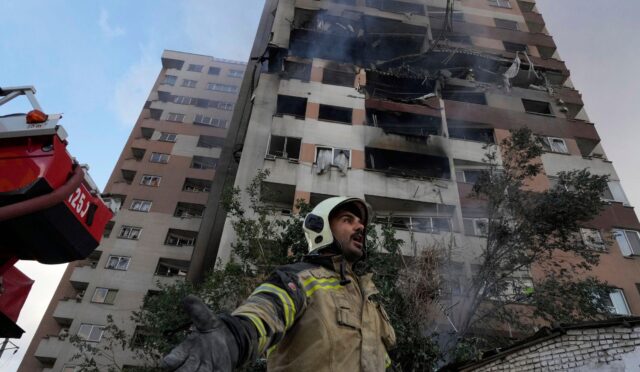
The situation in Gaza has been compounded by a series of Israeli airstrikes in Lebanon, initiated in response to rocket fire that Hezbollah, an ally of Hamas, denied. This escalation is seen as the most significant since the ceasefire after the Israel-Hezbollah conflict last November, with the Lebanese health ministry reporting seven fatalities caused by the airstrikes, including a targeted attack in Tyre that was alleged to involve a Hezbollah official. The attacks caused considerable damage to infrastructure in the coastal city, with significant destruction observed in buildings and vehicles.
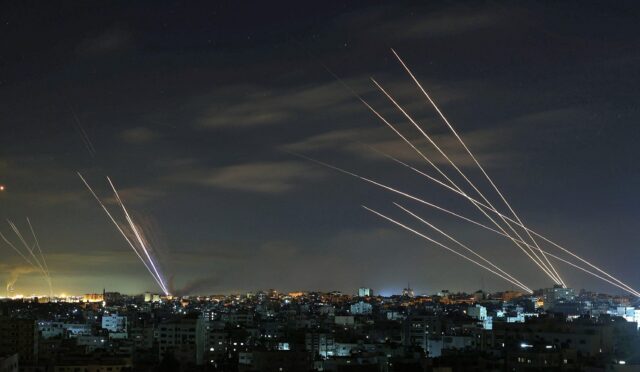
In a new wave of conflict, Israel intercepted a missile fired from Yemen on Sunday, amidst an uptick in missile activity from Iranian-supported Houthi forces claiming solidarity with Palestinians. Meanwhile, in Israel, large protests unfolded against Prime Minister Benjamin Netanyahu’s government, calling for an immediate cessation of hostilities, with placards demanding the safe return of hostages still captured in Gaza.
Casualties and Continued Violence
The conflict has resulted in heavy casualties, with Israeli sources suggesting 1,218 individuals have lost their lives since Hamas’s attack on Israel. This figure primarily consists of civilian casualties. In stark contrast, the ongoing conflict has reportedly led to the deaths of nearly 50,000 people in Gaza according to the territory’s health ministry, a harrowing testament to the human cost of the military engagements.
As the situation evolves, both sides remain entrenched in their positions, with humanitarian needs escalating while military operations intensify. The hope for peace remains fragile, as civilians in Gaza and Israel bear the brunt of escalated hostilities.