Troop Deployment Overview
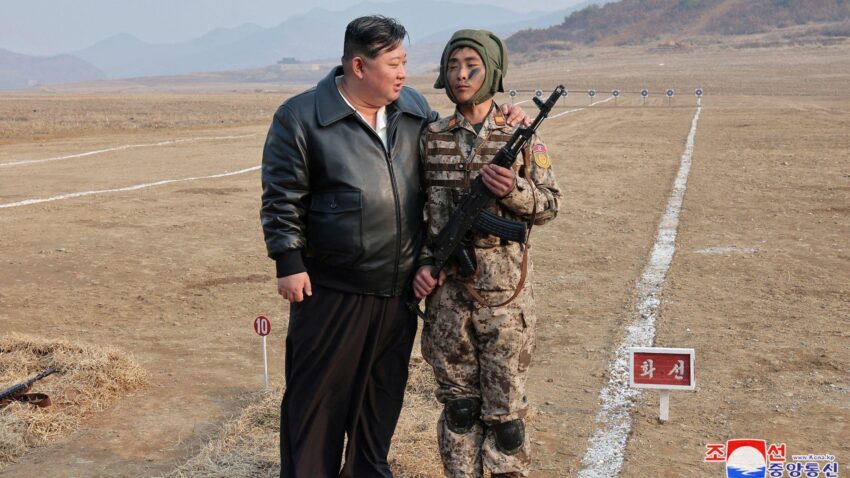
This year, North Korea has dispatched an additional 3,000 troops to Russia amid ongoing support in the conflict against Ukraine, according to a report from Seoul’s military on Thursday. The military partnership between these traditional allies has deepened significantly since Russia’s invasion of Ukraine in 2022. South Korean authorities assert that Kim Jong Un has sent thousands of soldiers and various containers of military supplies, although neither country has formally acknowledged the troop deployment.
The South Korean Joint Chiefs of Staff (JCS) estimate that reinforcements were sent between January and February of this year, highlighting a troubling trend in the relationship. Initially, 11,000 North Korean soldiers were reported to have been sent, with around 4,000 believed to have been either killed or injured in the ongoing conflict.
Military Support Beyond Troops
In addition to troop deployments, North Korea has been actively supplying Russia with weapons and military supplies. The JCS report indicates that North Korea has provided a considerable amount of artillery, including short-range ballistic missiles (SRBMs), self-propelled guns, and multiple rocket launchers. These ongoing military provisions underscore North Korea’s commitment to supporting Moscow’s efforts in Ukraine.
The report also warns that the number of military supplies could increase, depending on developments in the battlefield. Last year, North Korea conducted a series of ballistic missile tests, disregarding UN sanctions, which has fueled speculation that these weapons may be intended for export to Russia for use against Ukrainian forces.
Advancements in Drone Technology
Recent reports from North Korean state media have showcased advancements in drone technology, with Kim Jong Un overseeing the testing of new suicide and reconnaissance drones featuring artificial intelligence capabilities. According to the Korean Central News Agency (KCNA), these drones are intended to perform strategic reconnaissance and tactical attacks, indicating a significant leap in North Korea’s military technology.
Kim expressed satisfaction with the performance of these drones and revealed intentions to enhance their production capacity. The introduction of attack drones aligns with North Korea’s broader five-year defense development plan, highlighting the military’s focus on unmanned weapon systems.
Growing Alliance with Russia
Experts suggest that North Korea’s burgeoning alliance with Russia has played a crucial role in advancing its military capabilities. During a recent meeting, Kim Jong Un and Russian President Vladimir Putin emphasized their cooperation, which is expected to yield benefits for North Korea in terms of military technology and training.
Concerns have been raised regarding the experience North Korean troops may be gaining in modern warfare tactics, especially concerning drone operations while fighting alongside Russian forces. This collaboration presents both nations with opportunities to develop strategies and technologies that could influence future conflicts.
Response to Drone Threats
The increasing use of drones in military operations has led to heightened tensions, particularly in light of North Korea’s claim that South Korea deployed drones over its territory. This assertion, denied by Seoul’s Ministry of Defense, reflects ongoing paranoia within North Korea about external threats and has seemingly accelerated Kim’s directive for expediting drone system development.
The perceived drone incursions, together with attacks on North Korean troops aiding Russia, have likely pushed the regime to ramp up production and enhancement of its drone technology. Analysts suggest that access to Russian technology could be a motivating factor behind North Korea’s troop deployments, offering them a way to acquire advanced scientific capabilities.
The Strategic Implications of Drone Systems
Kim’s recent call for mass production of attack drones capable of crashing into enemy targets further exemplifies North Korea’s strategic ambitions. This move mirrors similar strategies in which smaller, harder-to-detect drones were deployed across the border last year. Seoul’s military struggled to respond adequately to these incursions.
The evolving nature of drone warfare signifies a shift in tactics for North Korea, which may be adapting to modern combat scenarios as it aims to strengthen its military standing through advanced technologies.