Putin’s Ouster Call Amid Ukraine Crisis
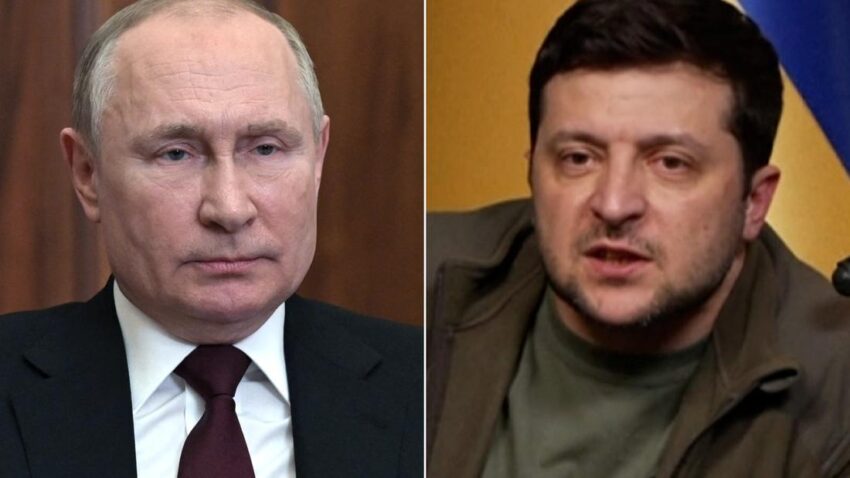
In a significant escalation of rhetoric, Russian President Vladimir Putin has called for a “transitional administration” to be established in Ukraine, vowing that Russian forces will “finish off” the Ukrainian military. This declaration comes as US President Donald Trump advocates for a ceasefire in the ongoing conflict. The evolving dynamics between Washington and Moscow, particularly following Trump’s return to office, have seemingly bolstered Putin’s confidence, as the lengthy offensive has already resulted in tens of thousands of casualties on both sides.
Ukraine’s government now finds itself grappling with fears that losing American support could pressure it into accepting unfavorable terms for a peace settlement. Putin’s latest comments reflect his long-standing intention to replace Ukrainian President Volodymyr Zelensky with a regime more aligned with Russian interests. This ambition underscores the complex layers of the ongoing conflict as Ukraine navigates international diplomacy amidst military adversity.
Proposal for a Transitional Government
During a discussion at an Arctic forum, Putin suggested the possibility of engaging with the US and its European allies, as well as other partners, under UN supervision, to create a transitional government in Ukraine. He explained that the goal would be to organize democratic elections aimed at establishing a competent administration that commands public trust, ultimately paving the way for peace negotiations. His remarks indicate a calculated strategic move designed to undermine Zelensky’s position.
The Kremlin’s assertions of seeking democratic reform in Ukraine stand in stark contrast to the realities faced by Zelensky’s government. As the situation continues to evolve, questions regarding the legitimacy of Zelensky’s leadership have surfaced, especially with his term set to end in May 2024. Under Ukrainian law, the ongoing martial law has put elections on hold, limiting the avenues for legitimate political processes as the country endures military conflict.
Escalation of Military Operations
In a further display of aggression, Putin encouraged his troops to leverage their existing advantages on the battlefield to escalate their operations against Ukraine. Despite claiming that Moscow had halted strikes targeting Ukrainian energy infrastructure, he reaffirmed his intention to “finish them off” in reference to Ukrainian forces. Putin characterized the military efforts as making steady progress, albeit at a rate that has drawn criticism from various observers.
The United States, meanwhile, is actively working to broker a ceasefire between the conflicting parties. However, Putin dismissed joint requests from the US and Ukraine for an unconditional ceasefire, although he indicated an agreement not to target energy facilities for a month. These claims were met with skepticism from Kyiv, which accused Russia of breaching the terms of this supposed agreement.
Continued Hostilities in Ukraine
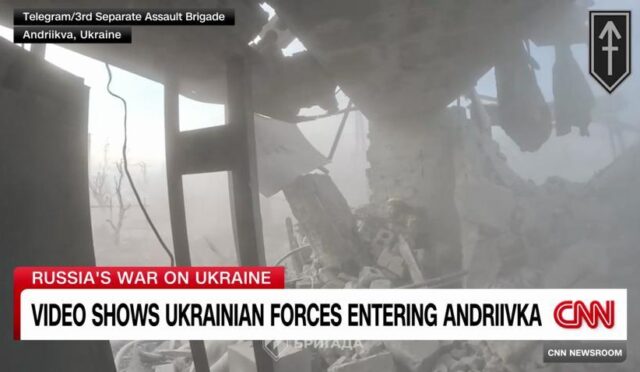
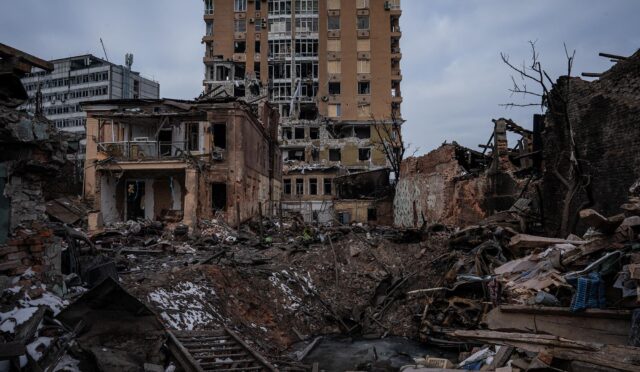
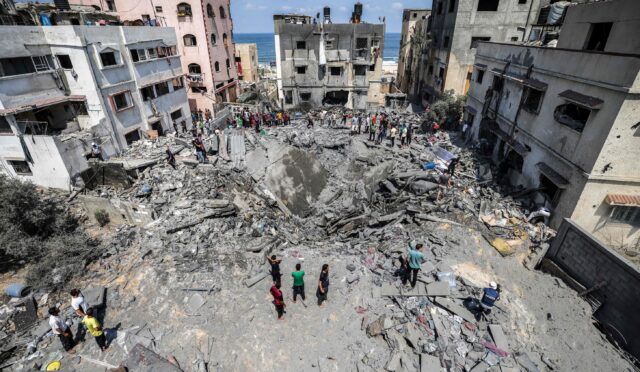
Following Putin’s remarks, Ukraine’s defense ministry reported a significant uptick in assaults against its energy infrastructure, with multiple incidents involving rockets and drones launched by Russian forces. The Ukrainian Air Force stated that Russia had deployed 163 drones in a recent strike, causing damage to key infrastructure and sparking fires in various regions. Emergency services in Odesa released images of burning buildings, highlighting the immediate fallout of these attacks.
Officials in Ukraine’s Mykolaiv and Dnipropetrovsk regions confirmed that Russian offensives have inflicted considerable damage on agricultural facilities, adding to the woes already faced by the embattled nation as it navigates both the military and humanitarian crises sparked by the protracted conflict.
Ukrainian Response to Attacks
In the wake of these military escalations, Andriy Yermak, the chief of staff for the Ukrainian presidency, articulated a strong condemnation of Russia’s actions, accusing it of derailing peace efforts by persisting in warfare. As the threats from the Kremlin continue, Ukrainian officials are increasingly concerned about the implications for their agricultural sector and national stability.
Zelensky’s diplomatic efforts to rally European support took place amidst this growing military pressure. Meeting with key European leaders in Paris, he sought to forge a unified response to the potential shifts in US policy under Trump. However, he expressed frustration, stating he left the talks with “many questions” and “few answers” regarding ongoing international discussions about potential military assistance in a future peace framework.